
RAU'AHU ROYAL DYNASTY
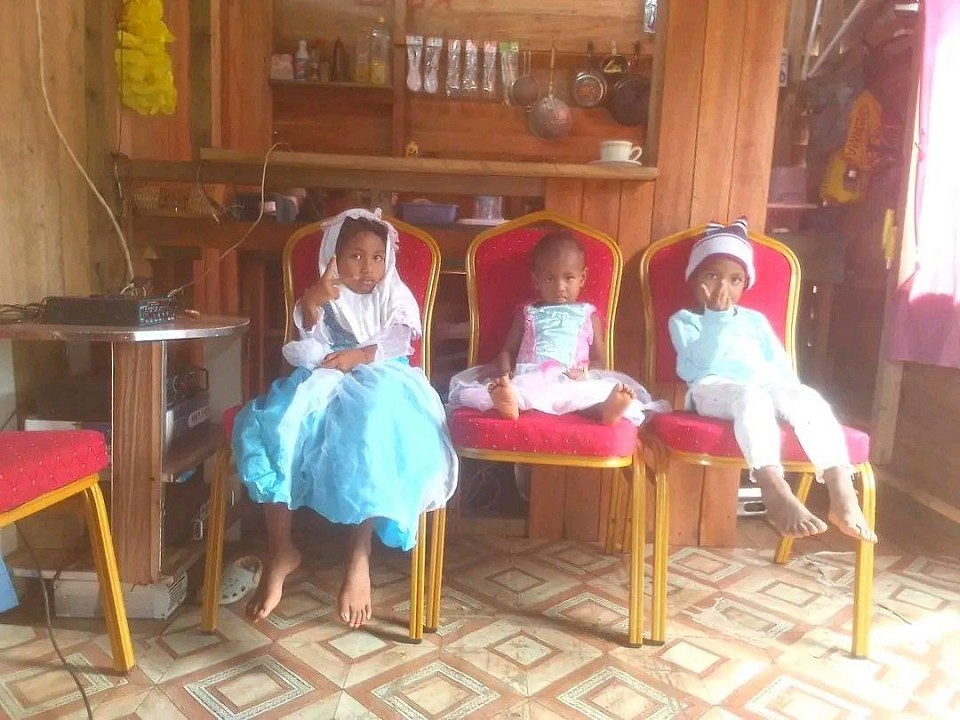
Bani Hakim (children of Hakim)
History of the Hakimids
The Hakimids Dynasty, is a newly religious dynasty from what is now Ārai Peninsula, on the north-western tip of Small Mala’ita island in the Solomon Islands. It is a revival dynasty, reviving the ancient Rau'ahu Royal Dynasty, and thus currently controls the island of Rau’ahu and parts of the coastal shores of Ārai Peninsula from 2018 to present. The Hakimids Dynasty was founded by Abdul Hakim Nooruddeen Apani’ai, a Muslim scholar and Ex–Missionary belonging to Islam Ahmadiyya.
Hakimids family were descendants of Abdul Hakim Nooruddeen Apani'ai, who claimed to have descent directly from Poro Ūmenmatara of Rau'ahu, through Al-Kindi (Michael Peter Horahanua IU), son of Joseph Tahisimae, son of Peter Araiasi, son of Apani'ai, son of Horahanua Kope, who was the son of the ancestor Hataimarau, of Ta'aru island, South Mala'ita. The Hakimids Dynasty is an offshoot of the chief tribe called Karenipuri, of Paurahaomae Kingdom (iora), South Mala'ita, Solomon Islands.
Family
Sultan Hakim actually married twice. He first married to Salma Lolita Katalake, from Tuvalu; the Nikah (the marriage ceremony) was conducted in April 4, 2017, at the Ahmadiyya Muslim Centre, West Kola Ridge, Honiara, Solomon Islands. A dawry of $3,700 including juvelary is paid to the bride right on the occasion of Nikah ceremony. However, due to some complicated issues, after seven months she had been divorced.
In May 12, 2018, Sultan Hakim then conducted his second marriage with Amatul Hayy Katalake, from Tuvalu. An amount of $200.00 is paid as dawry. This took place at the Ahmadiyya Muslim Mosque in Kongulai in West Honiara, Solomon Islands. This marriage, however, lasted for over six years, until separation on March 11, 2024. Three children were born as a result of this marriage. Their names are as follows;
- Hamidah Hakim Nuru'urau
- Muhammad M. Hakim Ūmenmatara
- Jalilah Hakim Āroniwai
Hamidah Hakim was born on 11 June 2019, Muhammad M. Hakim was born on 4th of November 2020, while Jalilah Hakim was born in April 20, 2023.
The third marriage is also predictable!

Salma Lolita Katalake

Amatul Hayy Katalake

Hakimids family
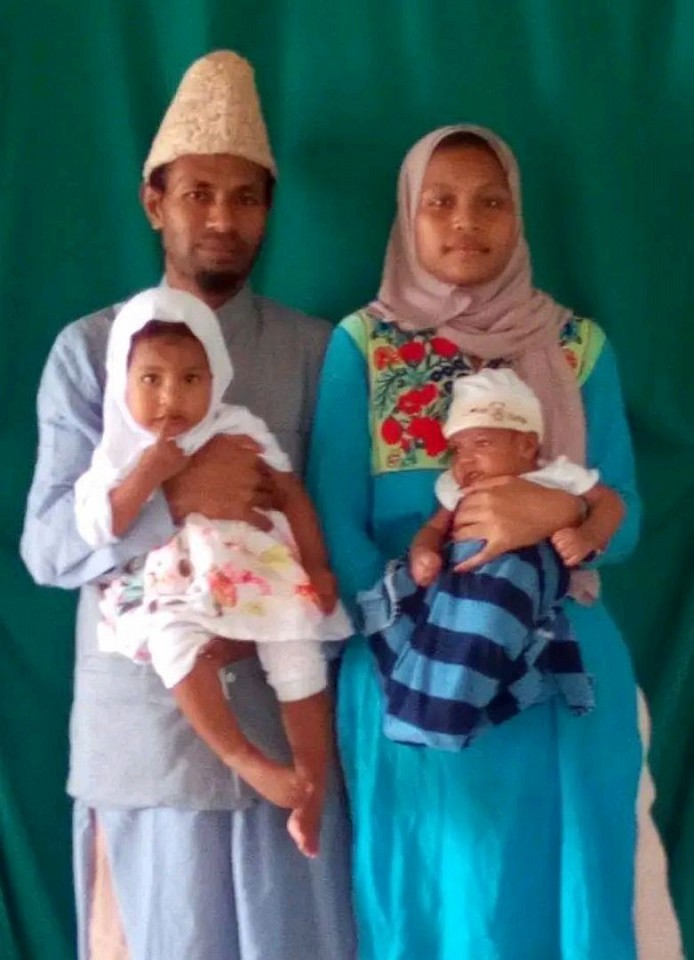
Sultan and Wife
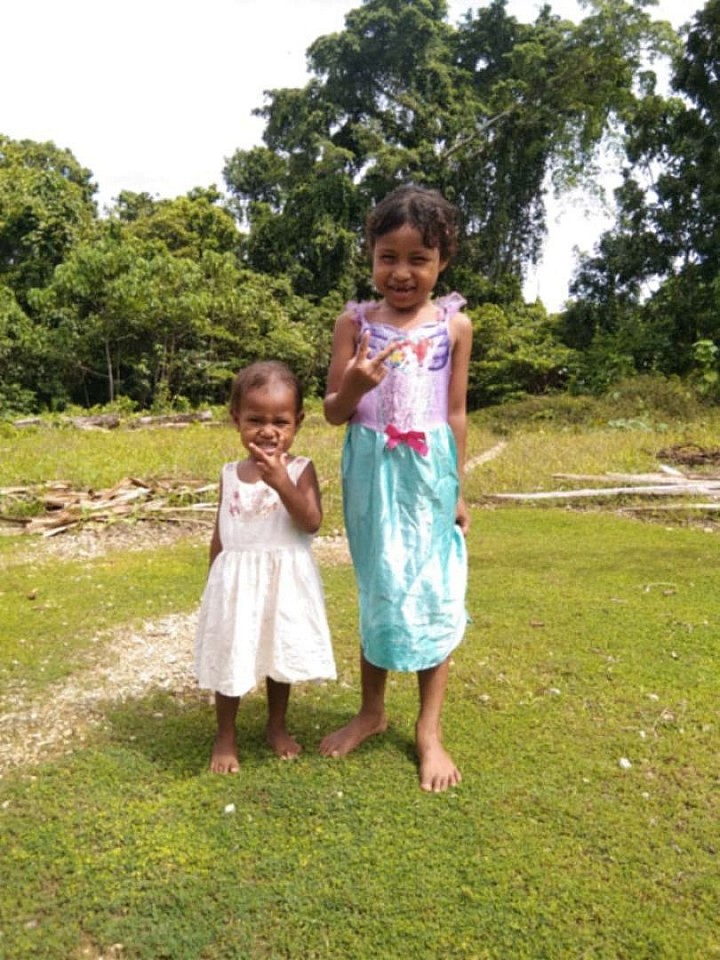
Jalilah and Hamidah

Hakimids
Capital
The Hakimids centre, Cordoba (Tawaroto), was founded by Sultan Hakim in January 2021. Later, in January 2022, Istanbul was also established as an administrative sub-Centre; both Centres located on the mainland Ārai peninsula. Future plan for Rau'ahu development is still in progress.
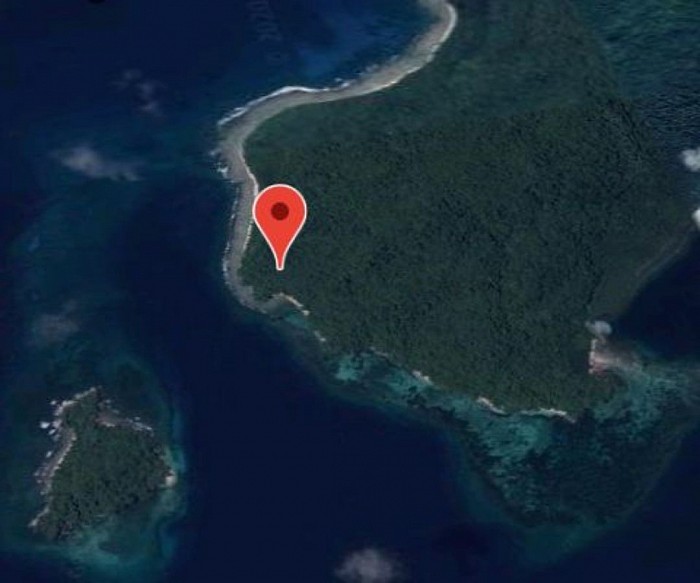
Capital Cordoba
Formation of the Dynasty
The Hakimids Dynasty was founded by Sultan Hakim in 2012, at age of 24 years old. It was not until December 24, 2018, that the dynasty was firmly established, after Abdul Hakim Nooruddeen Apani'ai had declared himself as the first Sultan of the dynasty. The sultanate of Rau'ahu was ran by the Hakimids.
On May 26, 2018, after his second marriage, the Hakimids father, Hakim ibn Al-Kindi, son of Al-Kindi (Michael Iuhaniramo) and a former Missionary In-Charge for the Ahmadiyya Muslim Jama'at Solomon Islands, came to power in northern Ārai, in small Mala'ita, Solomon Islands. Seven months later, in December, he declared himself sultan of an independent Hakimids state. Thus, the Sultanate of Rau'ahu was established and as a fact it continues to the present.
In 2012, Hakim visited the island of Rau'ahu (in present-day Ārai Peninsula); since then he had a plan to build his home and settle on the island. Later in 2018, he had a dream that he was building a huge magnificent palace on Rau'ahu island. This dream, according to him, was repeated three times, and as a result he claimed the island under his authority and planning to establish his capital on the Island.
In February 2021, Tawaroto (now Cordoba) on the mainland coast, was also captured by Hakim and immediately established himself in his former ancestral territories. In December of the same year, Hakim captured yet another new location, Āhu'i (now Istanbul) where he set up his first resident, and which would later become an administrative sub-centre.
Aim and Objective
The primary objective of establishing the dynasty was to spread the beautiful religion of Islam far and wide, throughout the the country, and with the aim of pulling the Ārai peninsula under the Islamic influence. It was created to preserve Ārai traditional heritage, promote Islamic influence, and unite local clans under a symbolic royal structure, connected to both indigenous and Islamic traditions.
